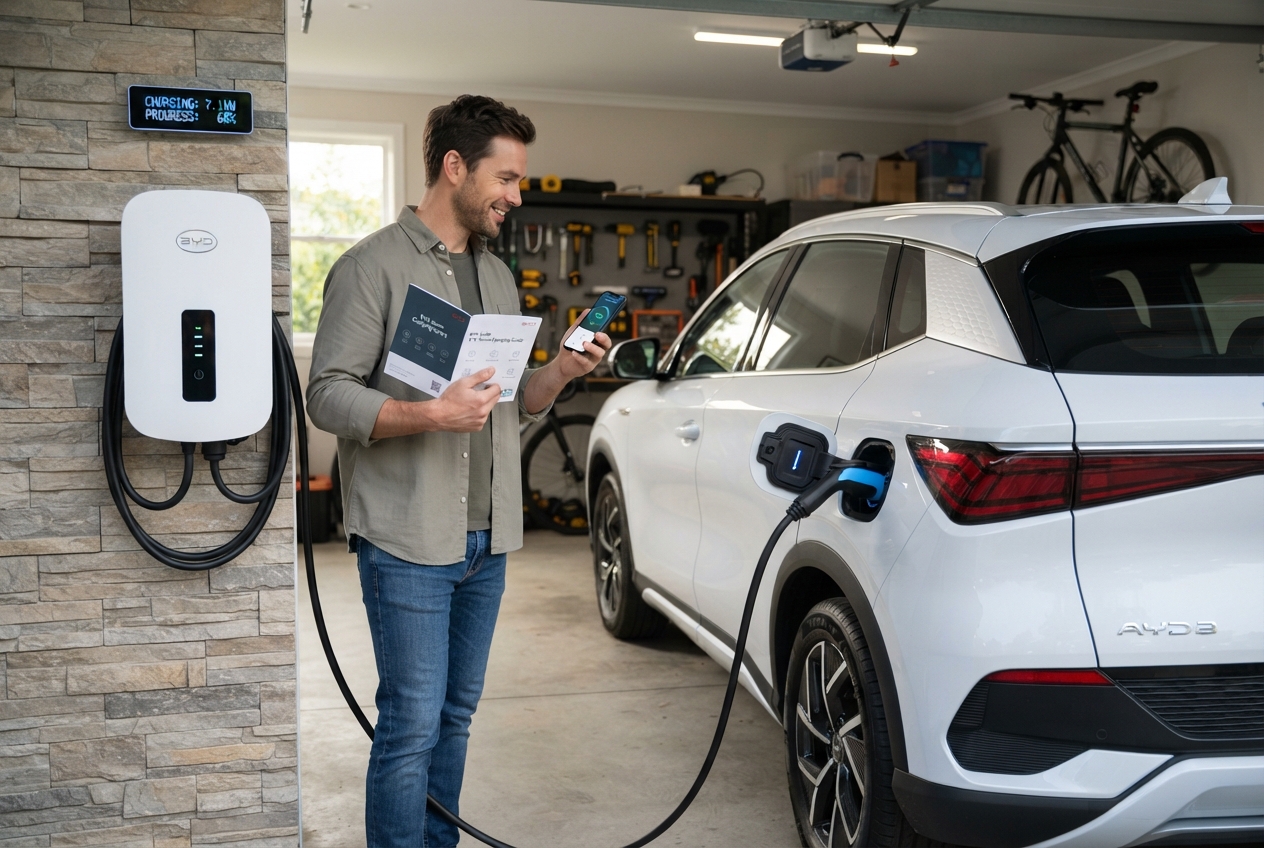
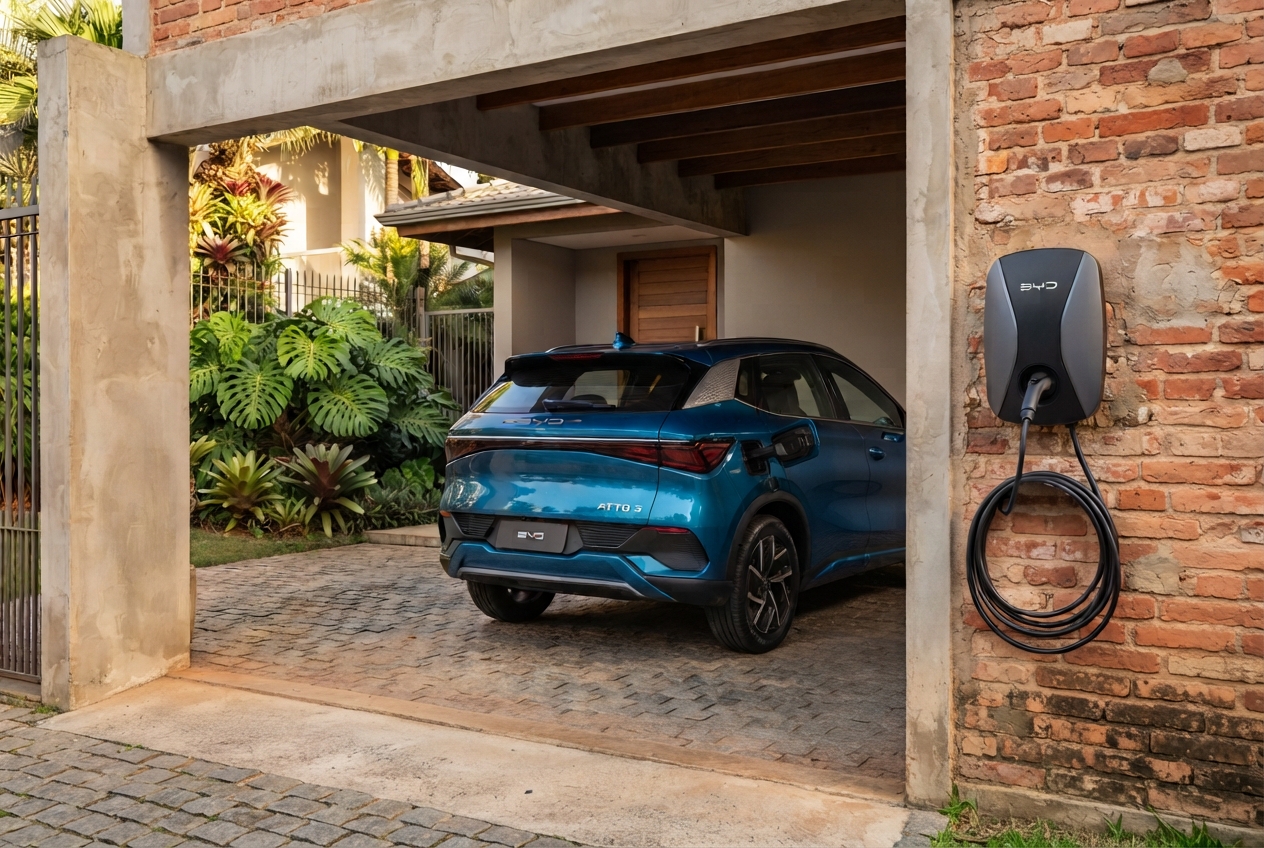
Owning a BYD Seal is an exciting step into the future of electric mobility. To ensure this experience remains safe and your vehicle performs optimally, understanding the fundamentals of charging is crucial. Proper handling of your BYD Seal EV charger not only protects your investment but also guarantees safety for you, your property, and those around you. Here are the essential practices every Seal owner should adopt.
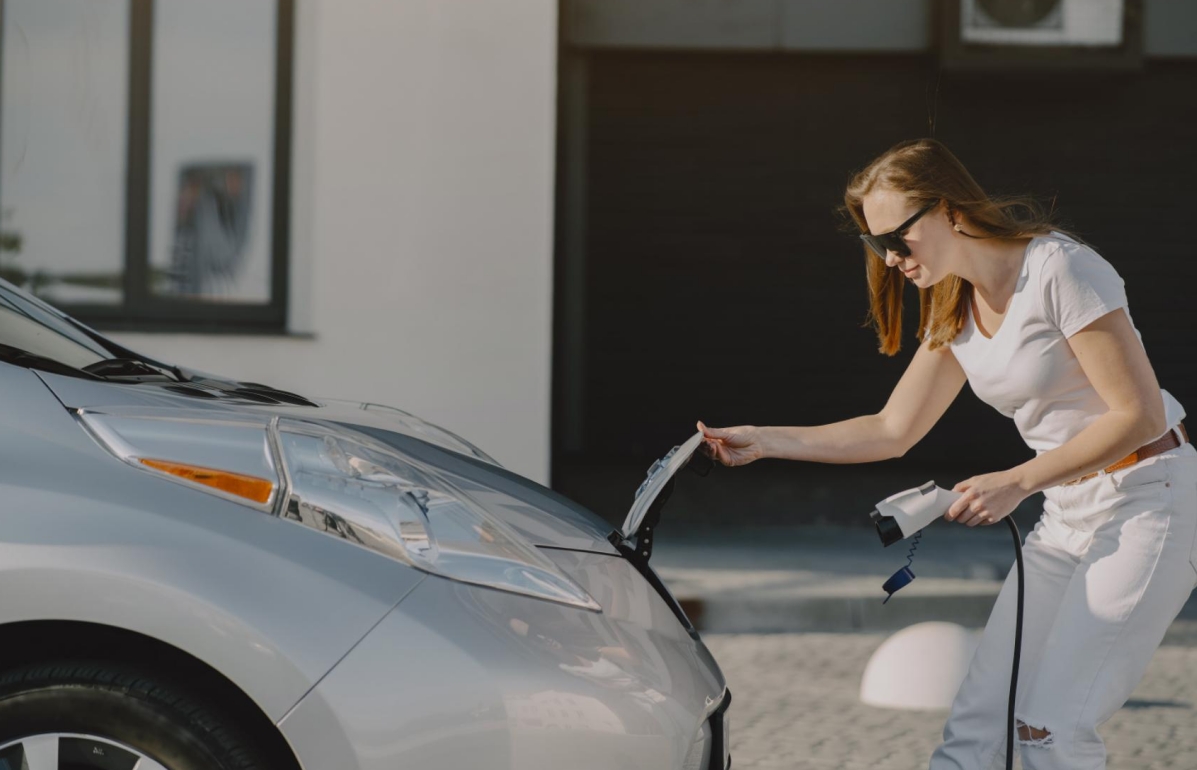
1. Prioritize Your Official BYD Seal EV Charger and Cables
Always use the charging equipment provided by BYD or certified, compatible alternatives. The official BYD Seal EV charger is specifically engineered to match your vehicle's battery management system, ensuring correct communication, voltage, and current. Using uncertified, cheap chargers can lead to overheating, faulty charging, and even severe damage to the battery pack.
* Inspect Regularly: Before each use, examine the charging cable and connector for any signs of wear, cracking, fraying, or damage. Never use a damaged cable.
* Handle with Care: Avoid running over the cable with your car, slamming the connector into the ground, or yanking it from the socket by the cord.
2. Master the Correct Charging Sequence
A proper routine minimizes risks:
* Plug First: Always connect the charger to the vehicle's port first.
* Then Power Up: Afterwards, plug the charger into the power outlet or activate the charging station.
* Reverse for Disconnect: When finished, stop the charging session via the vehicle or station interface first, then unplug from the wall, and finally disconnect from the car.
This sequence prevents arcing (small electrical sparks) at the connectors, which can be a safety hazard over time.
3. Be Mindful of Your Charging Environment
* Avoid Water: Never charge with a wet connector or in standing water. While the connectors are designed to be weather-resistant, deliberate exposure to moisture is risky.
* Ensure Ventilation: If charging in an enclosed garage, ensure it is well-ventilated, especially during longer charging sessions.
* Clear the Area: Keep the charging area free of flammable materials like paper, rags, or gasoline cans.
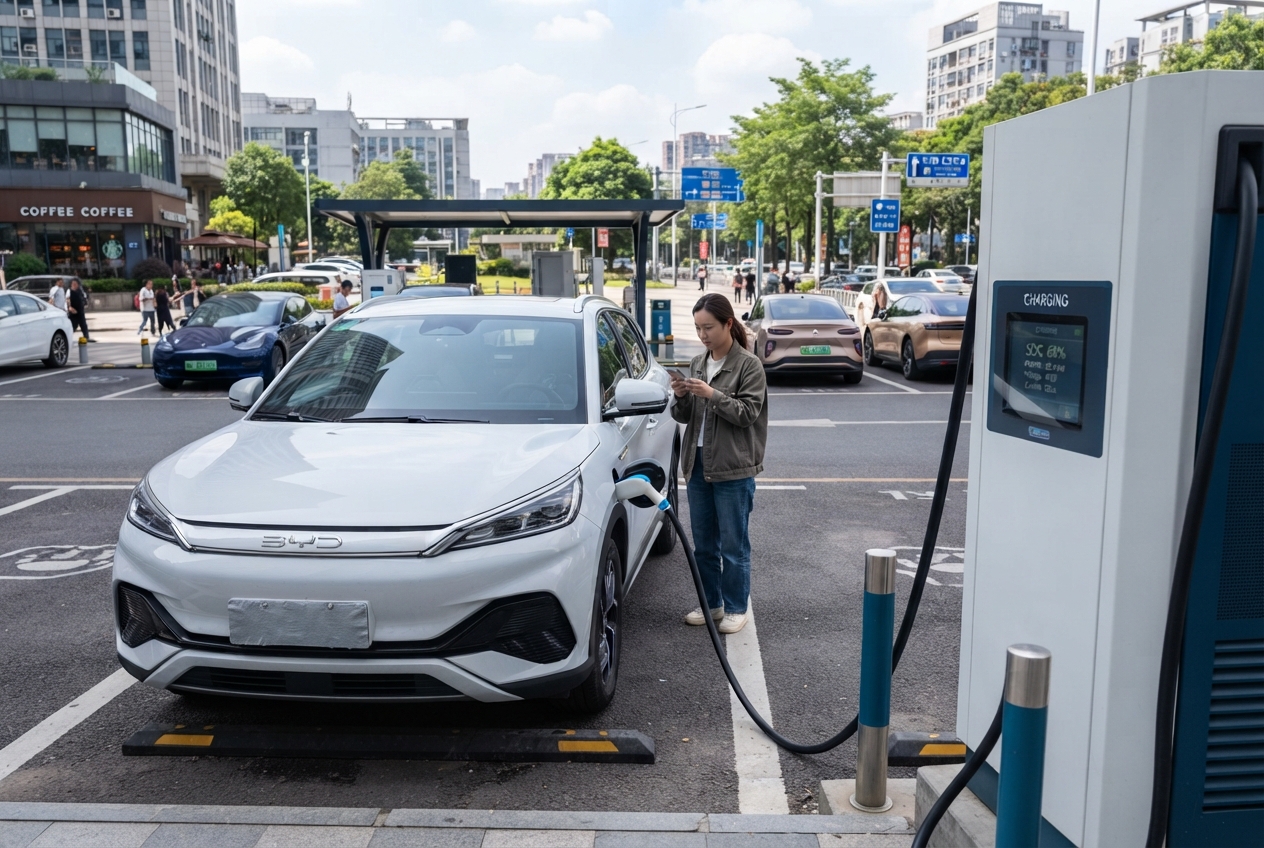
* Public Charging Caution: At public stations, quickly inspect the charger for obvious damage before use. Position your cable to avoid creating a trip hazard for others.
4. Understand Your Vehicle’s Charging Settings
Utilize the in-vehicle controls or BYD app to manage charging:
* Schedule Charging: Program charging to occur during off-peak hours. This is often cheaper and reduces the load on the home electrical system. It also allows the vehicle to finish charging closer to your departure time, which is beneficial for battery health.
* Set Charge Limits: For daily use, setting a maximum charge limit to 80-90% can help optimize long-term battery lifespan. Reserve 100% charges for when you anticipate longer journeys.
5. Practice Safety During Extreme Conditions
* In Extreme Cold or Heat: If possible, avoid charging immediately after driving in extreme temperatures. Allowing the battery to thermally stabilize first is ideal. Your BYD Seal’s thermal management system will handle this, but avoiding immediate fast charging in these conditions reduces stress.
* In Case of Storms: During severe thunderstorms with lightning, it is advisable to pause charging if safe to do so, as power surges can pose a risk.
6. Know What to Do in an Emergency
* Familiarize yourself with how to manually stop a charging session from your vehicle's touchscreen.
* Know the location of your home’s circuit breaker to cut power to the charging point if necessary.
* If you notice smoke, strange odors, or unusual noises from the charger or vehicle port, stop charging immediately by safely disconnecting power and contacting BYD service.
By integrating these essential practices into your routine, you ensure that every interaction with your EV charger is safe, efficient, and preserves the advanced technology of your BYD Seal. Safe charging is the foundation of a seamless and enjoyable electric driving experience.
Last Updated on December 31, 2025 by tayniu