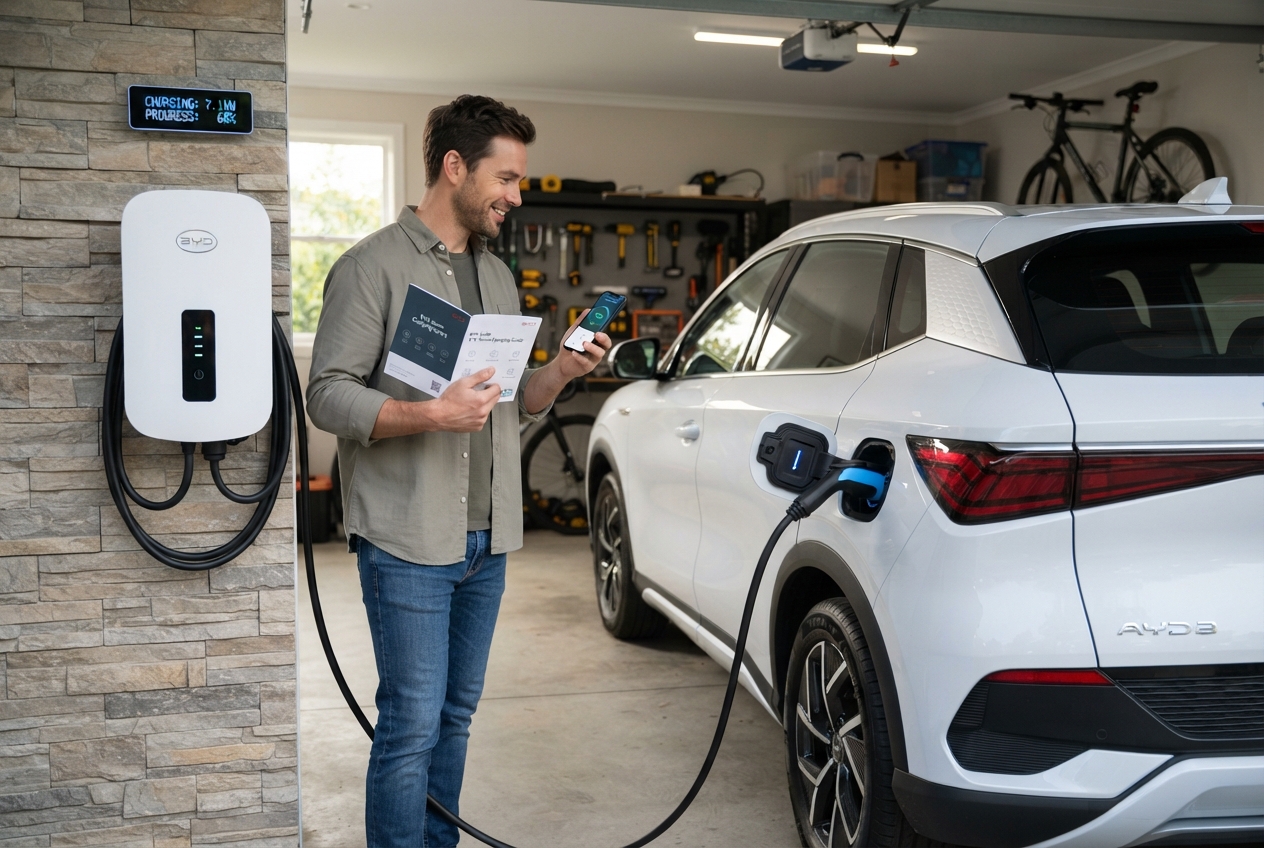
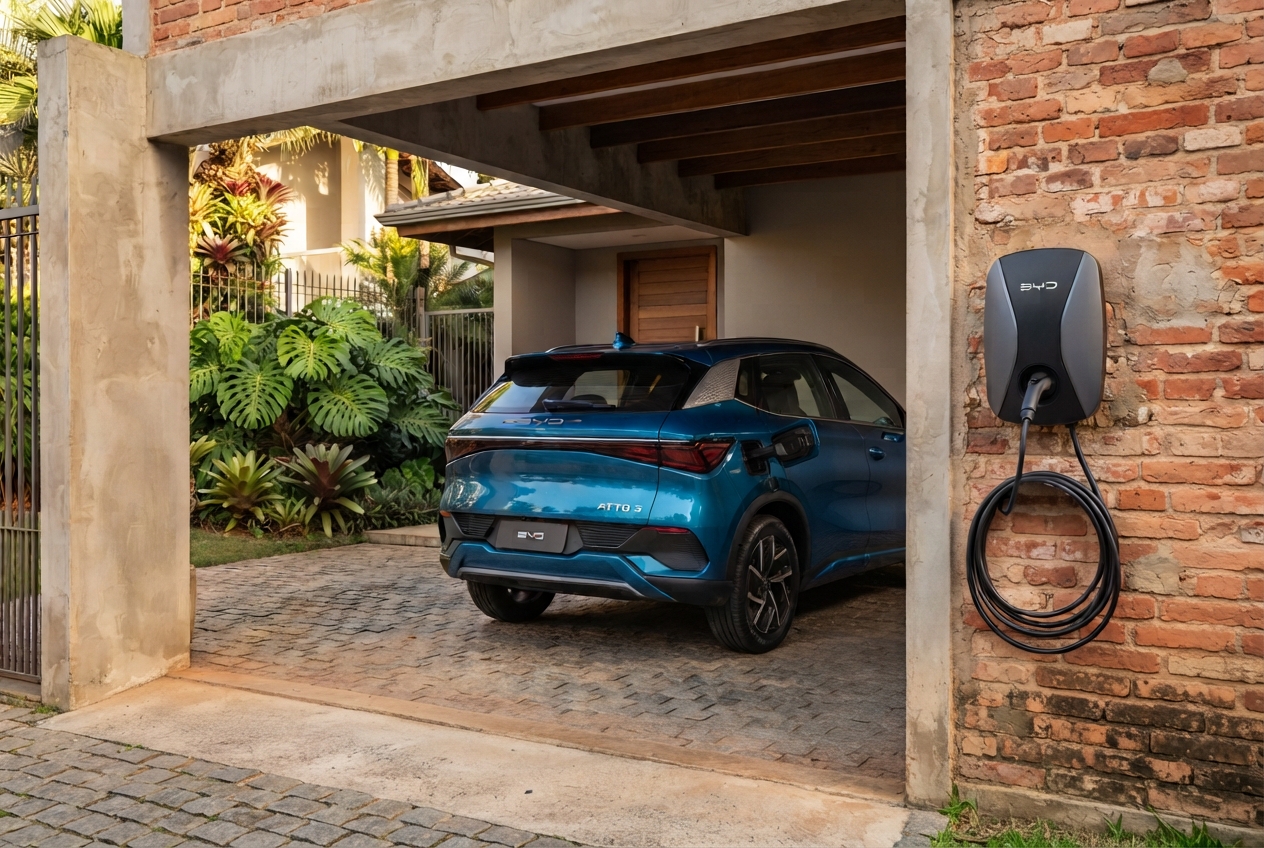
Home charging is one of the biggest advantages of owning a BYD electric vehicle.
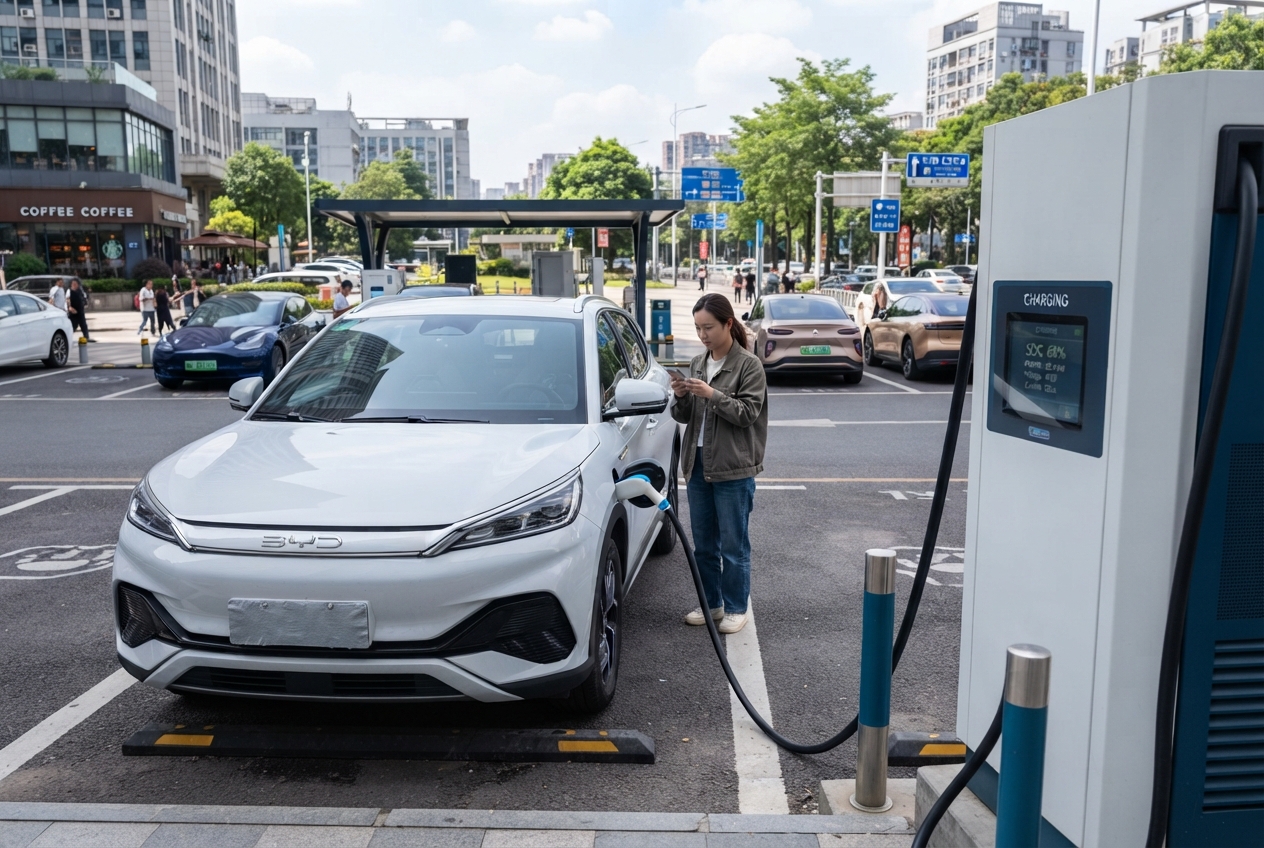
Instead of visiting a public charging station every time your battery is low, you can simply plug in at home and charge while you sleep.
But choosing the right BYD home charger requires more than looking at the power rating.
Step 1: Check Your BYD Model
Different BYD models and versions can have different AC charging capabilities.
Check your vehicle's:
√ Maximum AC charging power
√ Connector type
√ Battery capacity
√ Charging specifications
Step 2: Choose the Right Power
The most common home charging options include:
3.5kW — suitable for lower daily mileage and overnight charging
7kW — faster home charging and suitable for many BYD models
11kW/22kW — useful only when the vehicle and electrical system support them
Don't buy a 22kW charger simply because it has a higher rating.
Step 3: Choose Portable or Wallbox
Choose a portable BYD charger if you value:
√ Flexibility
√ Travel
√ Rental properties
√ Multiple charging locations
√ Backup charging
Choose a wallbox if you have:
√ Private parking
√ A permanent home
√ Regular daily charging
√ Suitable electrical capacity
Step 4: Check Your Home Electrical System
Before installing or using a high-power charger, check:
√ Voltage
√ Current
√ Wiring
√ Circuit breaker
√ Grounding
√ Socket
√ Existing household loads
For example, approximately 220V × 16A equals 3.5kW, while 220V × 32A equals 7kW under ideal conditions.
These figures help explain why a 7kW charger requires a significantly higher electrical load than a 3.5kW charger.
Step 5: Think About Your Daily Driving
Your daily mileage is one of the simplest ways to choose a charger.
If your BYD normally travels a relatively short distance each day and stays parked overnight, 3.5kW may be enough.
If you drive long distances and need faster recovery, 7kW may be more convenient.
Step 6: Don't Forget Safety
EV charging can draw significant electrical power for several hours.
Make sure your charger and electrical installation have appropriate protection and that the circuit is suitable for continuous EV charging.
When in doubt, have the electrical system checked by a qualified electrician.
BYD Home Charging: Quick Decision Guide