BYD Electric Car Charger: What Charger Do You Need?
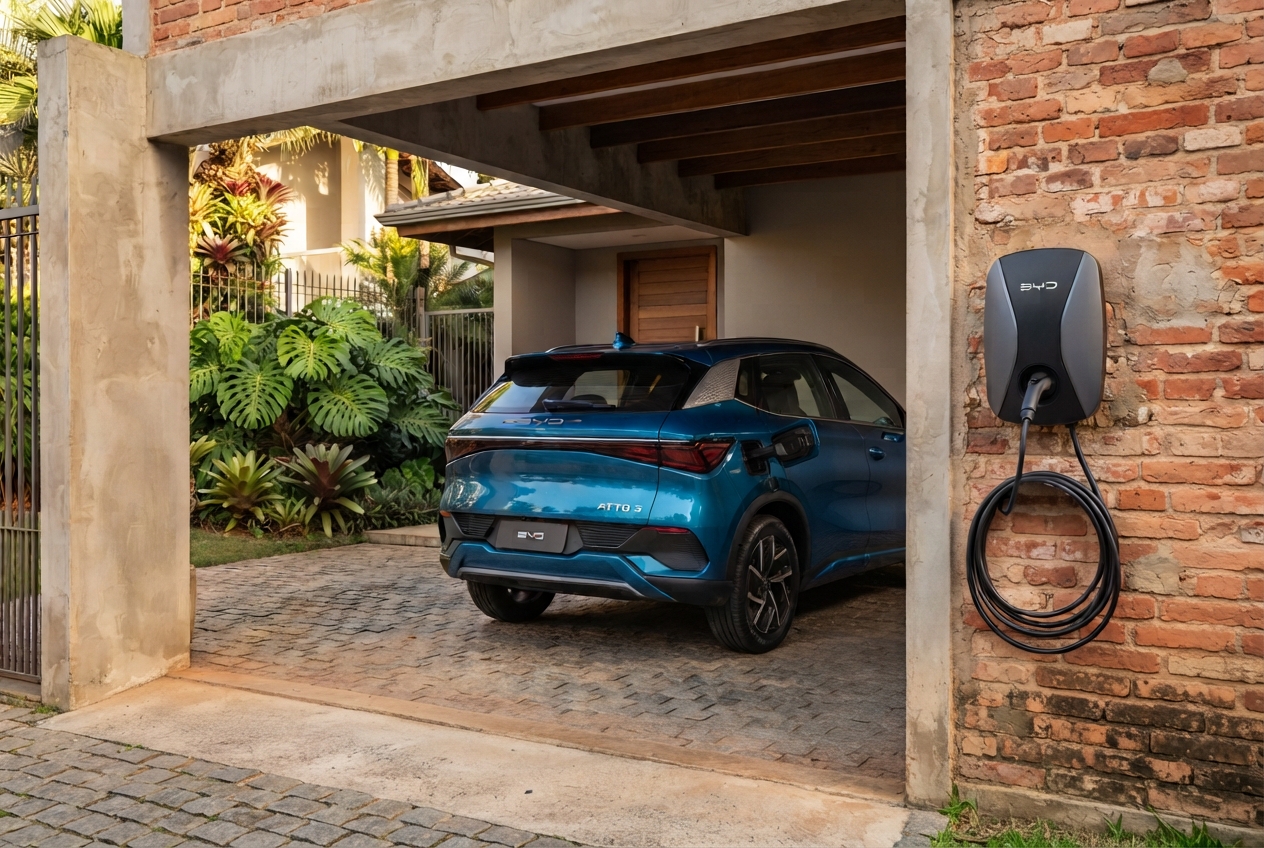
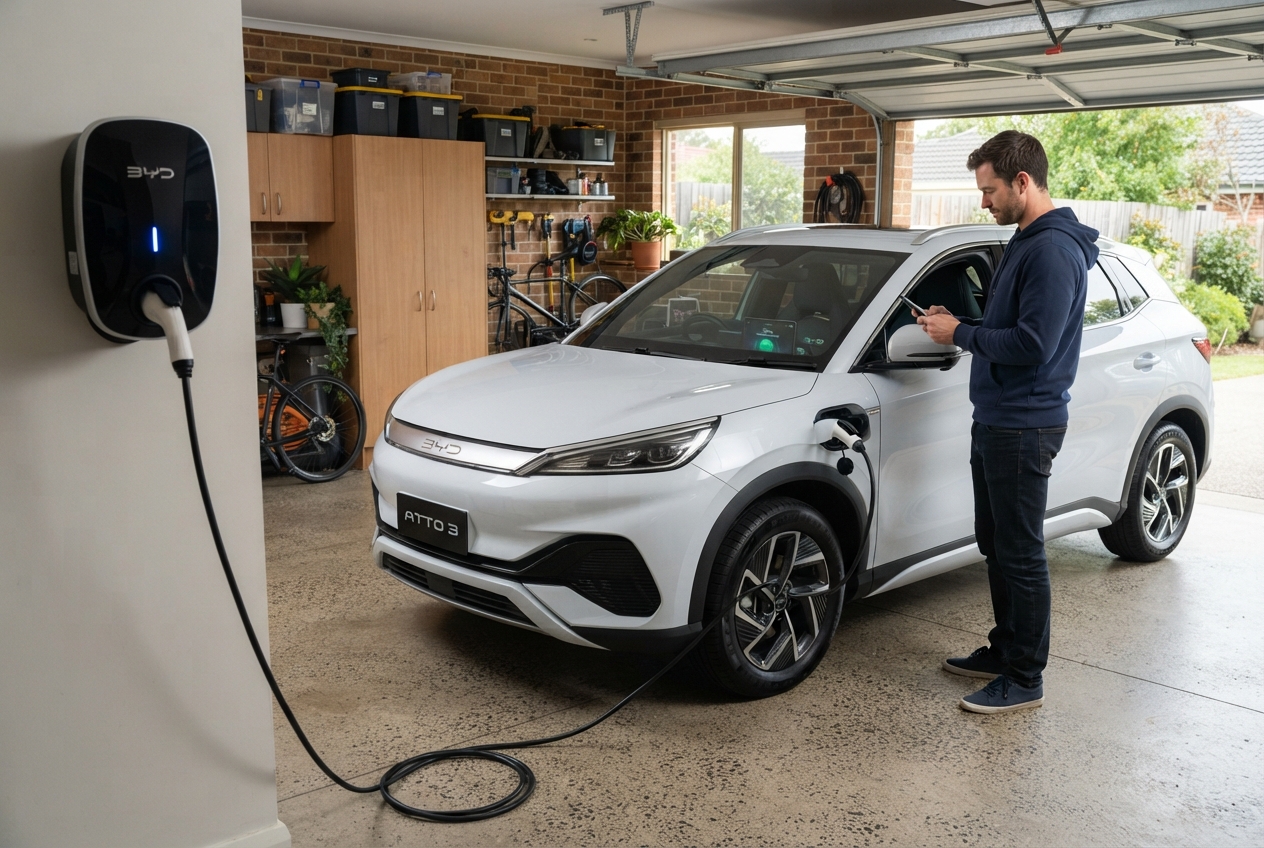
Buying a BYD electric car is only the first step. One of the most important questions for a new owner is: What BYD electric car charger should I use at home?
Should you choose a 3.5kW portable EV charger, a 7kW charger, or a wallbox? Can you use a normal household socket? And does a higher-power charger always mean faster charging?
The answer depends on your BYD model, maximum AC charging power, home electrical system, daily driving distance, and charging habits.
1. What Charger Does a BYD Need?
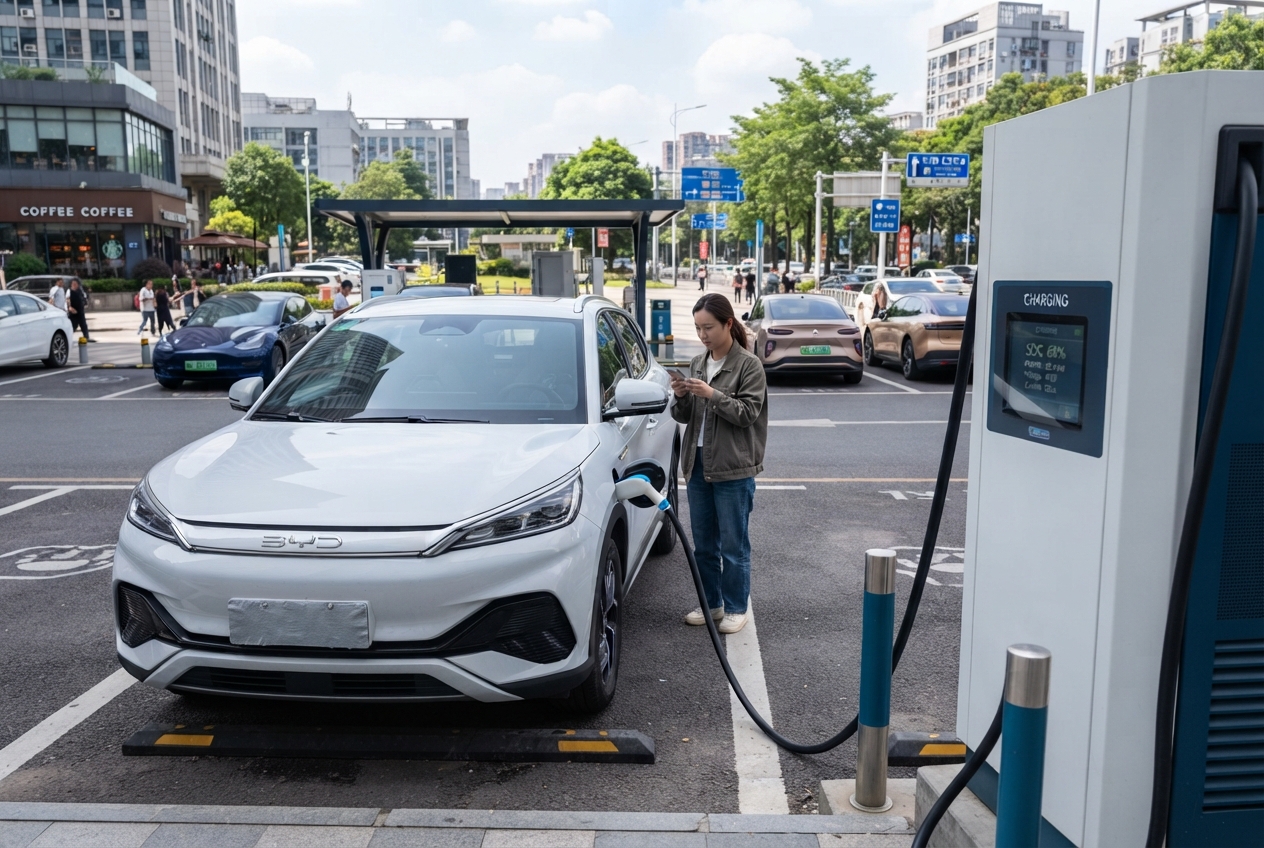
BYD electric vehicles generally use Type 2 for AC home charging, while CCS2 is commonly used for DC fast charging.
For home charging, the main options are:
|
Charger Type |
Typical Power |
Best For |
|---|---|---|
|
Portable EV Charger |
3.5KW |
Overnight charging, renters, occasional use |
|
Portable EV Charger |
7KW |
Faster and flexible home charging |
|
Wallbox |
7KW–22KW |
Permanent home charging |
The important thing to remember is that charger power does not equal the car's actual charging power.
If your BYD can accept a maximum of 7kW AC, connecting it to a 22kW AC charger will not make it charge at 22kW.
Always check your BYD's maximum AC charging capacity before buying a charger.
3.5kW vs 7kW BYD Charger: Which Should You Choose?
3.5kW Portable EV Charger
A 3.5kW charger can be a practical choice if you:
- Drive relatively short distances every day
- Usually charge overnight
- Live in an apartment or rental property
- Travel frequently
- Want a backup charger
- Don't want to install a permanent wallbox
Its biggest advantage is portability. You can take it with your BYD when traveling or visiting family.
7kW Portable EV Charger
A 7kW charger is more suitable if you:
- Drive longer distances
- Want faster home charging
- Have sufficient electrical capacity
- Want a portable solution instead of a wallbox
- Own a BYD that supports around 7kW AC charging
For many BYD owners, a 7kW portable charger provides a good balance between charging speed and flexibility.
Portable BYD Charger vs Wallbox
The right choice depends on how and where you use your BYD.
Portable EV Charger
Advantages:
- Easy to carry
- No permanent installation
- Useful for travel
- Suitable for renters
- Can be used as a backup charger
Disadvantages:
- Requires a suitable electrical outlet
- Usually slower than higher-power charging
- Needs to be stored and connected manually
Wallbox
Advantages:
- Convenient for daily charging
- Permanent installation
- Stable charging power
- Ideal for private parking
Disadvantages:
- Installation cost
- Requires suitable home wiring
- Not portable
If you frequently travel or do not want installation work, a BYD portable charger can be a practical alternative to a wallbox.
Can You Charge a BYD Using a Normal Household Socket?
A portable EV charger may be designed to work with a household socket, but not every household outlet is suitable for continuous EV charging.
Before charging, check:
- Socket rating
- Wiring condition
- Circuit breaker
- Grounding
- Cable size
- Existing household electrical load
- Charger current setting
EV charging can draw significant current for several hours. If you are unsure whether your electrical system is suitable, have it checked by a qualified electrician.
BYD Electric Car Charger in Thailand
Thailand is one of BYD's important EV markets, with models such as the Dolphin, ATTO 3, SEAL and newer models widely available.
For Thai BYD owners, the main considerations are home electrical capacity, socket compatibility, charging speed and portability.
A 3.5kW portable charger can work well for drivers who mainly charge overnight or need a charger they can take when traveling to another province.
A 7kW charger can be a better choice for drivers who need faster charging, provided that the home's electrical installation can safely support it.
Before installing or using a high-power charger, check your:
- Electrical meter capacity
- Circuit breaker
- Wiring
- Socket
- Grounding
- Existing household loads
BYD Electric Car Charger in Brazil
Brazil is another major BYD market, with models such as the Dolphin, Yuan Plus, Seal and Song Plus.
For Brazilian BYD owners, 220V home charging, electrical installation, portable chargers and wallboxes are important considerations.
For example:
220V × 16A ≈ 3.5kW
while:
220V × 32A ≈ 7kW
These are theoretical values. Actual charging power can be lower because of electrical losses, voltage fluctuations, charger limitations and the vehicle's onboard charger.
Therefore, having a 220V supply does not automatically mean that your home is ready for a 7kW EV charger.
Do You Need a 7kW or 22kW Wallbox for a BYD?
Not necessarily.
A higher-power charger is only useful if your vehicle and electrical system can take advantage of it.
For example:
22kW charger + 7kW onboard charger = approximately 7kW maximum AC charging
For most home users, the decision should be based on:
- BYD model
- Maximum AC charging power
- Daily mileage
- Home electrical capacity
- Charging location
- Need for portability
If you drive relatively short distances and charge overnight, a 3.5kW portable charger may already meet your needs.
If you want faster charging and have suitable electrical capacity, a 7kW portable charger or wallbox may be a better choice.
How to Choose the Best BYD Electric Car Charger
Before buying a charger, ask these questions:
1. What BYD model do I have?
2. What is its maximum AC charging power?
3. How many kilometers do I drive every day?
4. Do I need a portable charger?
5. What voltage and current can my home support?
6. Is my socket and wiring suitable for EV charging?
7. Do I need a permanent wallbox?
The best BYD electric car charger is not necessarily the most powerful one.
For many owners in Thailand and Brazil, a 3.5kW or 7kW portable EV charger can provide a practical combination of charging convenience, flexibility, and cost, while a wallbox is better suited to drivers with a permanent parking space and regular home charging needs.
Choose the charger based on your BYD, your home, and the way you actually drive.
Last Updated on August 14, 2026 by tayniu
Share this post:
Recent Posts