As more electric vehicles (EVs) become popular in Thailand, many new EV owners face an important question after buying their car: Which EV charger should I choose for my home — a portable EV charger or a wall-mounted charger?
The right choice depends on several factors, including your EV model, daily driving distance, home electrical system, charging habits, parking situation, and whether you need a charger that you can take with you.
This guide explains the key differences between portable EV chargers and wall-mounted EV chargers and helps you choose the right solution for your needs in Thailand.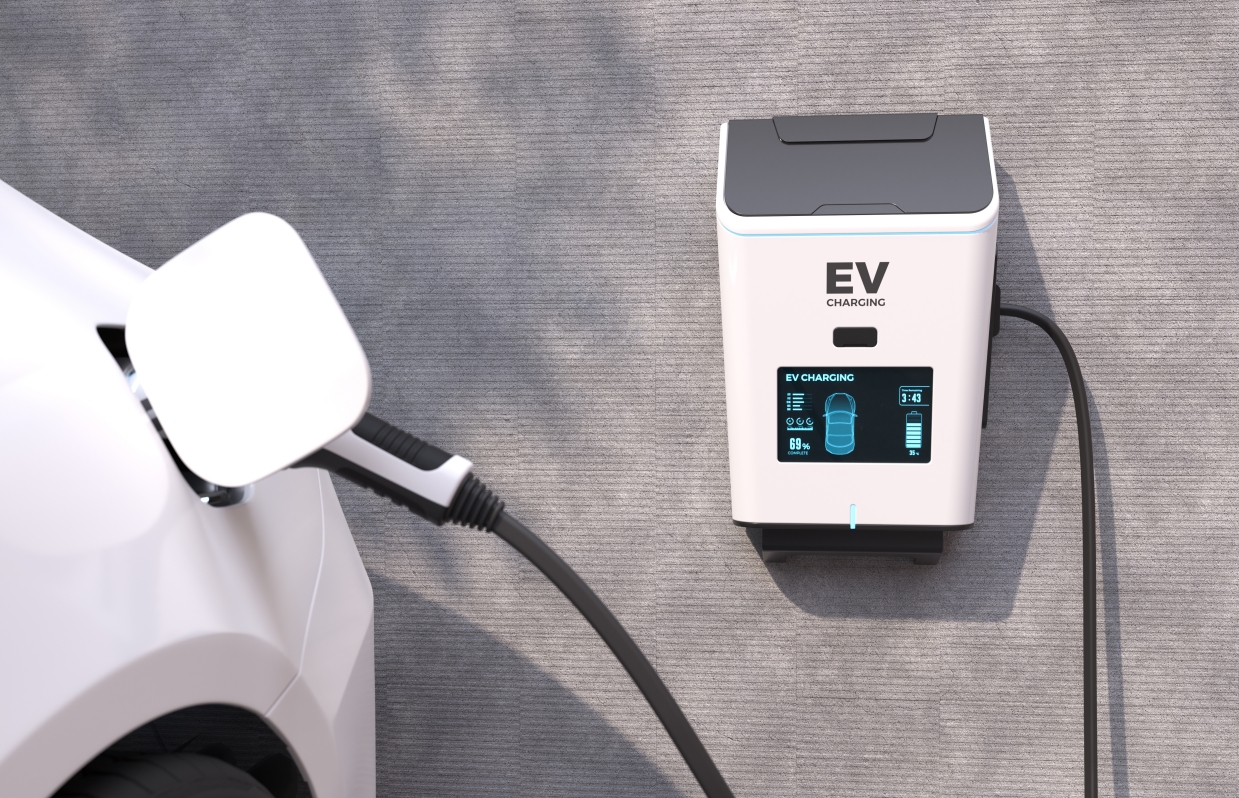
Portable EV Charger vs. Wallbox: What's the Difference?
A portable EV charger is designed to be carried and used in different locations. Depending on the model, it can connect to a suitable household electrical outlet and allows you to charge your EV without permanently installing a charger on the wall.
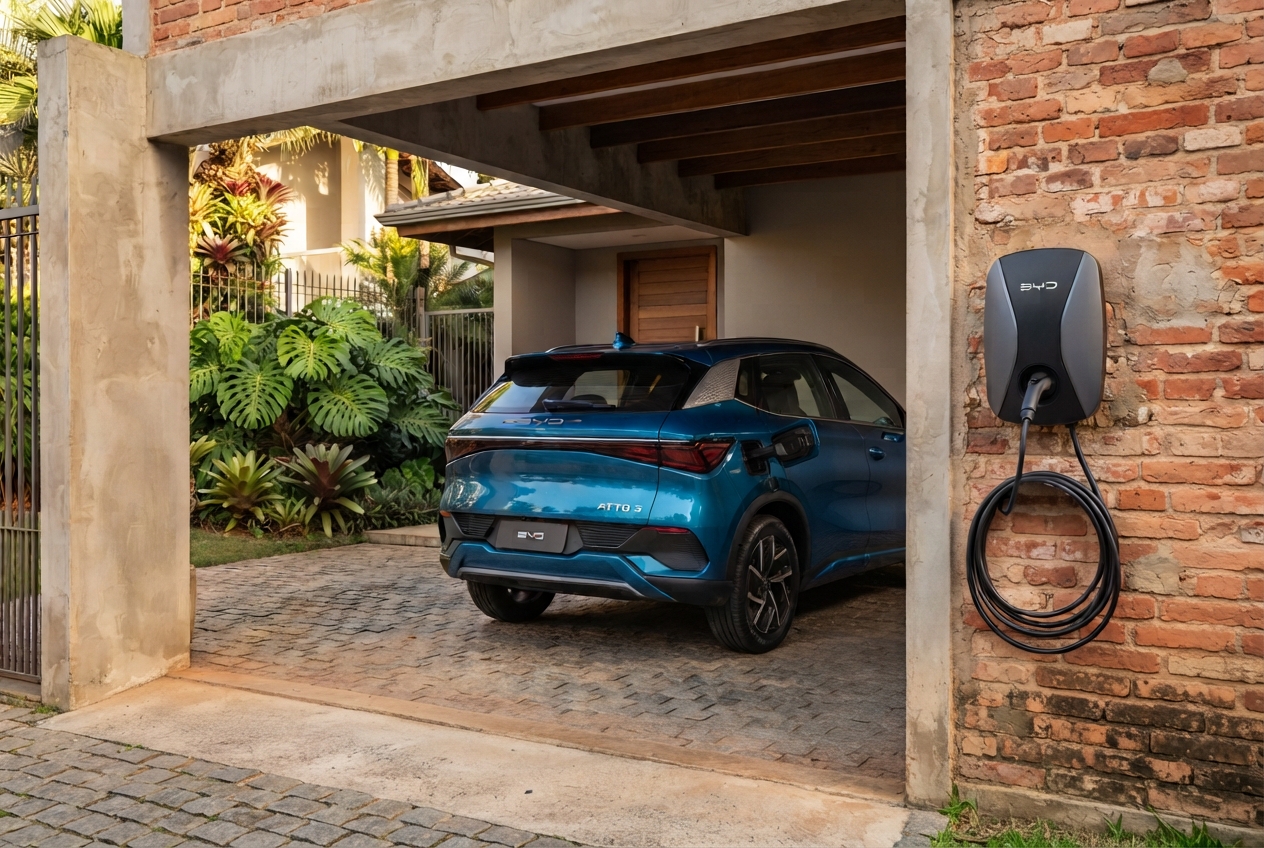
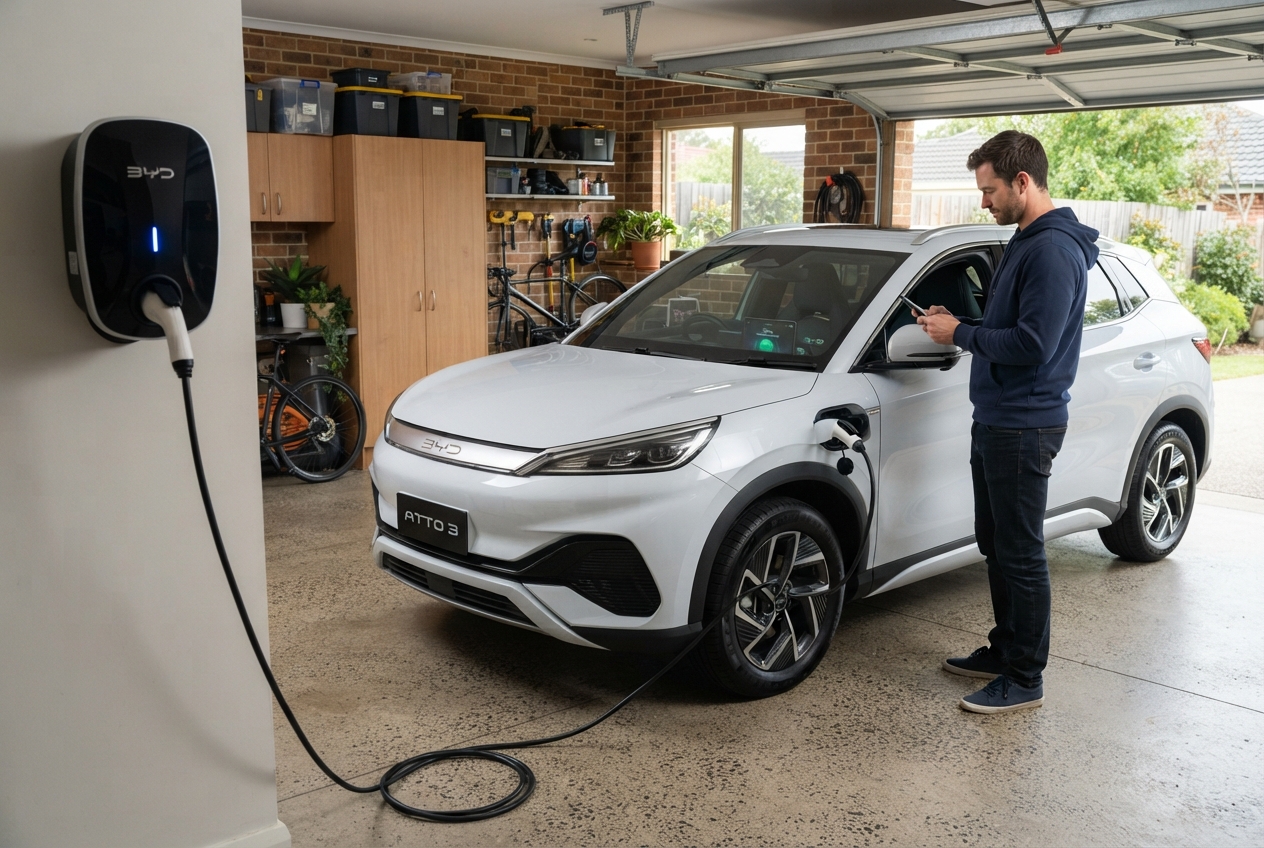
A wall-mounted EV charger, often called a Wallbox, is permanently installed at a specific parking location. It is usually connected to a dedicated electrical circuit and is designed for convenient daily home charging.
Neither option is automatically better. They are designed for different charging scenarios.
1. Portable EV Charger: Flexible and Easy to Carry
A portable charger can be a practical choice for EV owners who want flexibility.
For example, if you regularly drive from Bangkok to your hometown or another province, a portable charger can serve as an additional charging option when you arrive at a location where a public charging station is not easily available.
Portable EV chargers are especially useful for:
EV owners who travel frequently
Drivers who return to their hometowns or other provinces
People who rent their homes
Users who cannot permanently install a Wallbox
EV owners who want a backup charging solution
Drivers who have access to a suitable electrical outlet
Another advantage is that the charger can stay in your vehicle. If your usual charging location changes, you can take the charger with you.
However, portable does not mean that you can plug the charger into any household outlet without checking the electrical system.
The outlet, wiring, circuit breaker, grounding and continuous current capacity should all be suitable for EV charging.
2. Wallbox: Convenient for Everyday Home Charging
A wall-mounted EV charger is generally designed for EV owners who have a fixed parking space at home.
If you park your car in the same place every night, a Wallbox can make daily charging very convenient.
Instead of taking the charger out of your vehicle and connecting it every time, you can simply park your EV, connect the charging cable and start charging.
Wallboxes are commonly considered for:
Detached houses
Private garages
Homes with dedicated parking spaces
EV owners who charge almost every night
Users who want a permanent charging solution
A Wallbox installation normally requires an assessment of the home's electrical system and may require a dedicated circuit and appropriate protection devices.
3. 3.5kW or 7kW: Which One Should You Choose?
Charging power is another important consideration.
A 3.5kW charger generally charges more slowly than a 7kW charger, but it may be sufficient for drivers who have plenty of time to charge overnight.
For example, if your daily driving distance is relatively short and your EV is parked at home for 8–10 hours every night, you may not need the highest charging power available.
A 7kW charger can provide faster AC charging and may be more suitable for EV owners who:
Drive longer distances every day
Need to recharge more energy overnight
Want shorter charging times
Have a suitable home electrical system
Own an EV that supports higher AC charging power
However, buying a higher-power charger does not automatically mean your EV will charge at that power.
The actual charging speed depends on the maximum AC charging capacity of your EV, the charger, the electrical installation and other factors.
4. Consider Your EV's Charging Capability
Before buying an EV charger, check the specifications of your vehicle.
Different EV models have different maximum AC charging capacities.
For example, if your vehicle's onboard AC charger can only accept a certain charging power, purchasing a charger with a higher rated output will not necessarily make the car charge faster.
Therefore, check:
Maximum AC charging power
Charging connector type
Recommended charging current
Vehicle battery capacity
Manufacturer's charging recommendations
5. Check Your Home Electrical System
This is one of the most important considerations for EV owners in Thailand.
EV charging is a continuous electrical load. Before using a high-current charger at home, make sure that your electrical installation can safely support the required load.
You should consider:
Available electrical capacity
Single-phase or three-phase electricity
Cable size
Circuit breaker rating
Grounding
Dedicated circuit requirements
Socket specification
Residual-current protection
Do not assume that because an outlet can operate household appliances, it is automatically suitable for long-duration EV charging.
If you are unsure, consult a qualified electrician before installation or regular use.
6. Which Charger Is Better for You?
The best charger depends on your lifestyle.
Choose a portable EV charger if:
You travel frequently
You return to your hometown regularly
You want a charger that can travel with your car
You rent your home
You cannot install a permanent charger
You want a backup charging option
Choose a Wallbox if:
You have a fixed parking space
You charge at home almost every day
You own a house or have a dedicated garage
You prefer a permanent installation
You want a convenient daily charging experience
Some EV owners may also benefit from having both: a Wallbox for everyday charging and a portable EV charger as a backup or travel solution.
Final Thoughts
Choosing an EV charger in Thailand is not simply about buying the charger with the highest power.
The right choice should match your EV, your home electrical system, and your daily driving habits.
For some drivers, a 3.5kW portable EV charger may be enough for overnight charging. For others, a 7kW charger or a wall-mounted charger may provide a better everyday charging experience.
Before purchasing, always check the vehicle's AC charging capability and make sure your home's electrical system, outlet and protection devices are suitable for EV charging.
The best EV charger is not necessarily the most powerful one — it is the one that fits your car, your home and the way you drive.
Last Updated on August 12, 2026 by tayniu